From the source
Your favorite expressions have a past, and some of it is weird
Published on November 11, 2026

Everyday conversations are full of expressions we use without giving them a second thought. But have you ever wondered how phrases like "break the ice" or "jump the gun" became part of the English language? Many have fascinating roots in everyday life centuries ago, from hunting traditions to competitive sports and old customs. Others crossed from British English into American conversations, evolving along the way. Their original meanings can be surprisingly different from what we understand today, offering a glimpse into the history and traditions that shaped the way Americans speak.
Barking up the wrong tree

Picture a hunting dog chasing a squirrel up a tree. The dog reaches the trunk and starts barking, convinced its target is hiding somewhere above. But what if the squirrel has already escaped into another tree? The dog is making plenty of noise in the wrong place. That's the idea behind this expression, which means pursuing the wrong lead, blaming the wrong person, or misunderstanding a situation.
The expression dates back to the early 19th century, when hunters often relied on dogs to track animals through the woods. If a dog barked at the wrong tree, it was searching in the wrong place. Eventually, it moved beyond the woods and into everyday conversation.
Break the ice

Walking into a room full of strangers can feel awkward, but a friendly joke or an easy conversation can help everyone relax. That's what we mean when we say someone "breaks the ice." The expression compares social awkwardness to a barrier that needs to be broken before people can feel comfortable talking to one another.
The phrase dates back to at least the 16th century, when "breaking the ice" was used more broadly to describe overcoming an obstacle or getting a difficult undertaking started. The image also brings to mind ships navigating icy waters, where breaking through the ice could clear a path forward. Over time, the expression took on a social meaning: just as clearing ice opens a route for a ship, a friendly introduction can help a conversation get started.
Pull out all the stops

When a singer gives a spectacular performance or a family throws an extravagant celebration, you might say they've "pulled out all the stops." Today, the phrase means making the greatest possible effort or using every available resource. Its roots, however, lie in a musical instrument rather than a general idea of working hard.
The expression comes from the pipe organ, an instrument widely used in churches and concert halls. Organ stops are controls that determine which sets of pipes sound when the instrument is played. By engaging more stops, an organist can produce a fuller, richer sound. The phrase developed from the practice of using the organ's available stops to create its most powerful effect, and it was being used figuratively by the 19th century. Today, it applies to everything from weddings to major business projects.
Jump the gun

Imagine a sprinter taking off before the starting pistol fires. The runner may be fast, but leaving too early can mean a false start and possible disqualification. That's the image behind "jump the gun," which means acting too soon, before the proper moment or before all the facts are known.
The expression comes from competitive racing, where a gunshot has traditionally signaled the start of a race. It developed in American English around the early 20th century, drawing on the familiar rules of organized athletics. There isn't one universally credited inventor, but the connection to racing explains the phrase's original meaning clearly: starting before the official signal.
Cold shoulder

Have you ever greeted someone warmly, only to receive a distant look or a one-word answer? That person might be giving you "the cold shoulder." The expression means deliberately treating someone in an unfriendly or dismissive way. It's an interesting image because someone can communicate their displeasure simply by turning away, without saying a harsh word.
The phrase is generally traced to early 19th-century Britain. One of its best-known early appearances is in Scottish writer Sir Walter Scott's novel The Antiquary, published in 1816, where a cold shoulder of mutton is associated with an unfriendly reception. The expression is commonly explained through the idea of serving an unwelcome guest cold meat instead of a warm meal. It eventually became familiar in American English, where it describes social rejection rather than an actual dinner.
Blow off steam
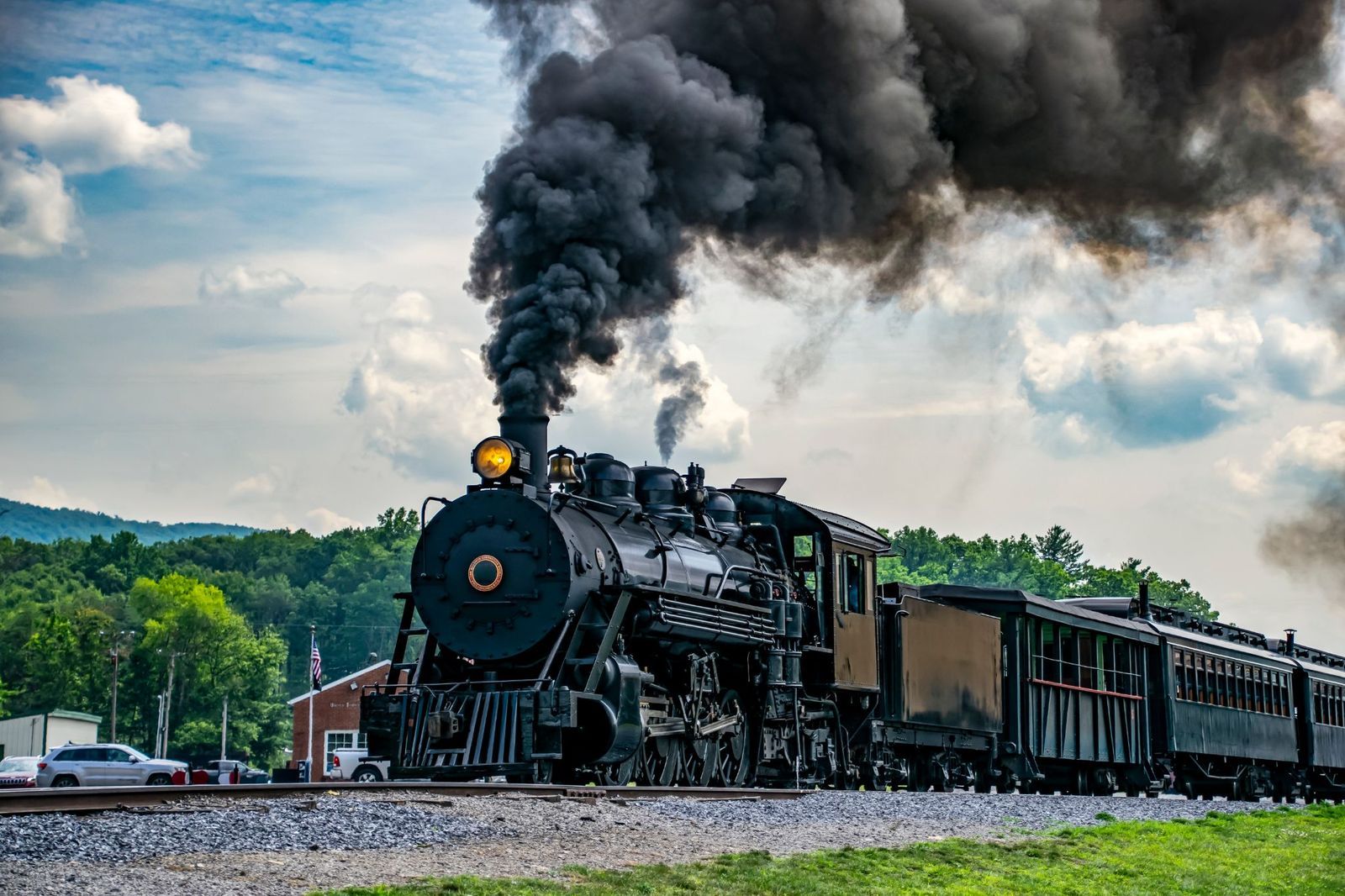
After a frustrating day, you might go for a walk, work out, or talk to a friend to "blow off steam." The expression means releasing pent-up frustration, energy, or emotion before it builds up any further. Its image comes from steam under pressure, which must be released to keep a system operating safely.
The expression dates back to the age of steam-powered machinery in the 19th century. Releasing steam helped reduce pressure in engines and boilers, creating a natural comparison to people letting go of frustration. Today, "blowing off steam" means releasing pent-up emotions or energy.
Raining cats and dogs
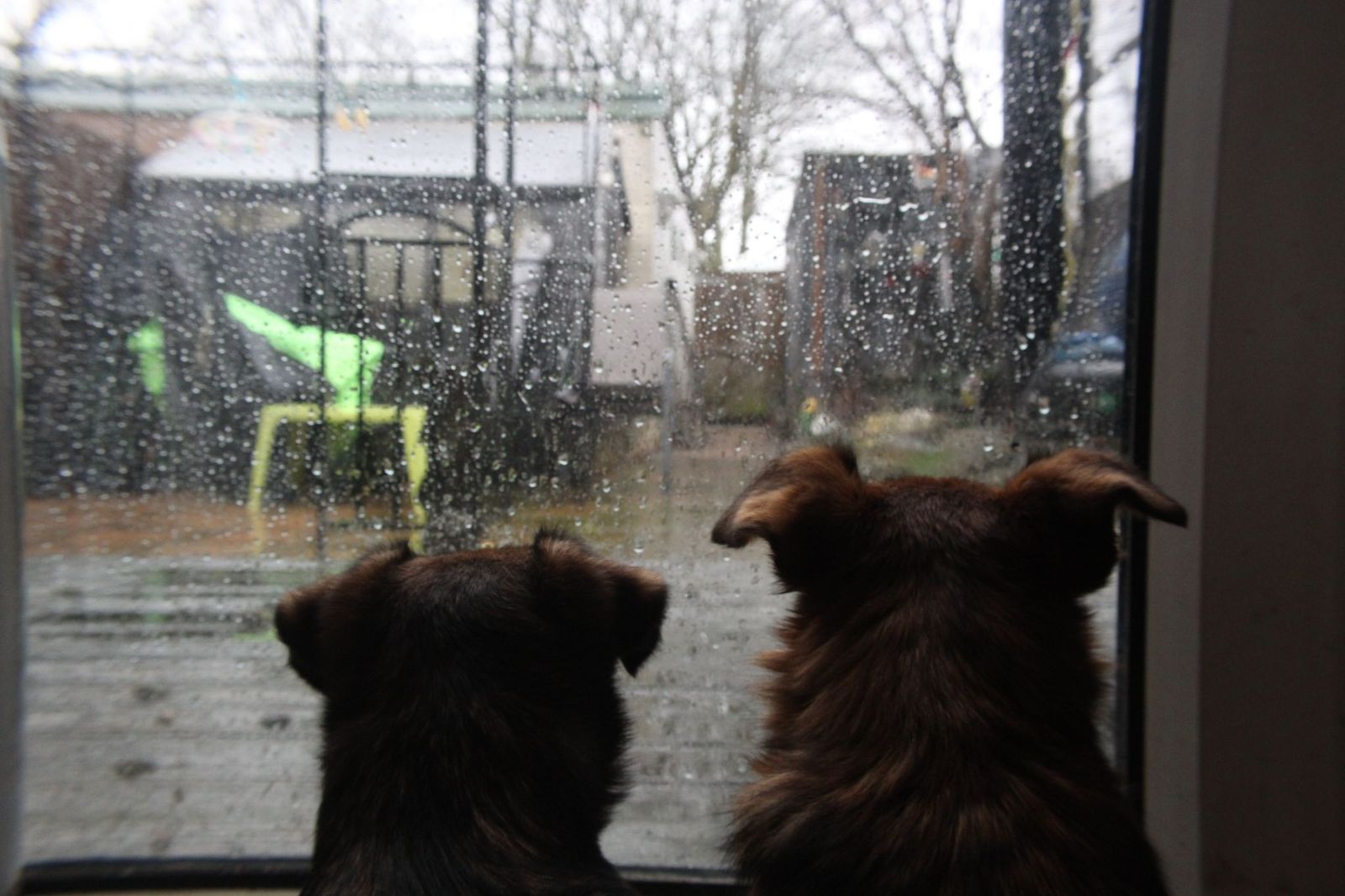
When rain comes down in sheets, Americans might say it's "raining cats and dogs." The expression sounds as if animals are falling from the sky, but it's simply a colorful way to describe an extremely heavy downpour. Why cats and dogs, though? That's the part no one can explain with certainty.
The phrase has roots in 17th-century English. In 1738, writer Jonathan Swift used a similar expression, "it shall rain cats and dogs," in his satirical poem A Description of a City Shower, which describes a heavy rainstorm in London. Although Swift helped popularize the imagery, he wasn't necessarily the person who invented it. Several theories attempt to explain the unusual wording, but none has been proven. What stuck was the vivid image of a storm so fierce that it seemed almost impossible.
Saved by the bell
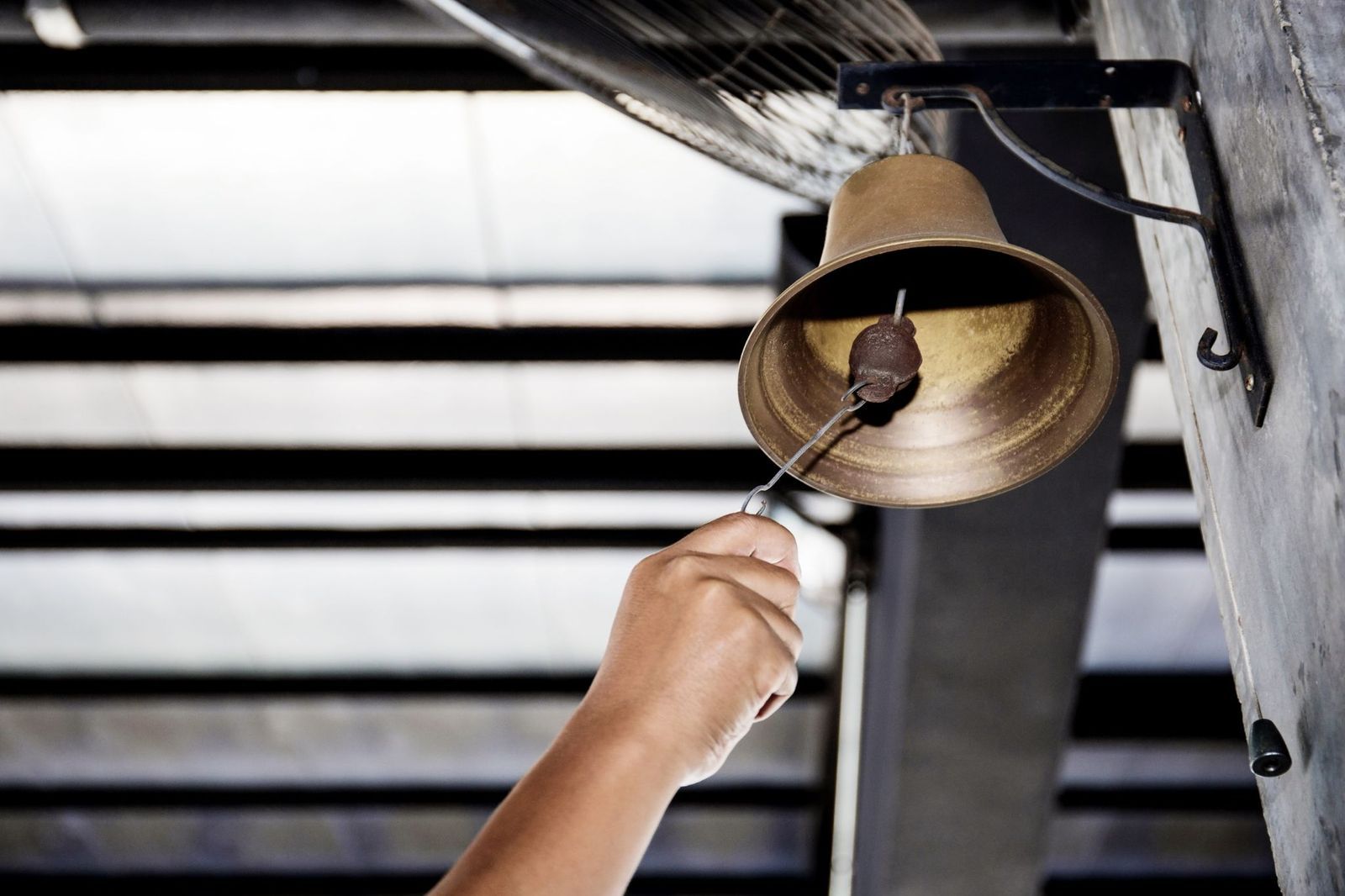
Imagine a boxer who's exhausted, struggling to stay on his feet, and about to lose the fight. Just as his opponent seems ready to deliver the final blow, the bell rings to signal the end of the round. The boxer gets a chance to rest instead of facing another immediate attack. That's the original image behind "saved by the bell," which today means escaping a difficult or uncomfortable situation just in time.
The expression comes directly from boxing and was appearing in American newspaper coverage by the late 19th century. One documented example appeared in the Seattle Post-Intelligencer in January 1891, describing a fighter who was nearly knocked out before the bell ended the round. The phrase later spread beyond sports, becoming a familiar way to describe an interruption that arrives at exactly the right moment.
Read the riot act

If a parent gives a teenager a stern lecture about breaking curfew, or a boss firmly warns employees about unacceptable behavior, someone might say they were "read the riot act." The expression means receiving a serious reprimand or warning. Its original meaning was much more literal: an official reading a law aloud to a crowd.
The story goes back to Britain in 1715, when Parliament passed the Riot Act to give authorities a way to disperse certain large, disorderly gatherings. An official could read the act aloud to a crowd of 12 or more people who were unlawfully assembled and order them to disperse. Refusing to leave after the warning could lead to arrest. The phrase eventually took on a figurative meaning, describing the kind of stern lecture intended to put someone back in line. Although the law itself was repealed, the expression survived in everyday English.
A baker's dozen

Ever wondered why a baker's dozen means 13 rather than the usual 12? The expression refers to a group of 13 items, often baked goods. If you've ever received an extra doughnut or cookie with an order, you've experienced the idea behind it: one more than expected.
The phrase is connected to medieval England, where bakers faced strict rules about the weight and price of bread. Under regulations intended to prevent customers from being shortchanged, bakers could face serious penalties for selling underweight loaves. To avoid falling short, bakers sometimes supplied an extra loaf when selling a dozen to a retailer. The additional item helped protect them against the risk of penalties, and the practice became associated with the term "baker's dozen."